
The Mall as Anti-Babylon: On Constant's Utopia and Contemporary Urban Form
Walking through Kuala Lumpur’s sprawling network of elevated walkways, climate-controlled pods, and interconnected commercial nodes, one encounters an uncanny architectural echo of Constant Nieuwenhuys’s visionary New Babylon project. The formal elements are strikingly present: the separation from ground level, the controlled atmospheric conditions, the networked connectivity between discrete spaces. Yet this resemblance reveals not the fulfillment of Constant’s utopian vision, but its systematic inversion.
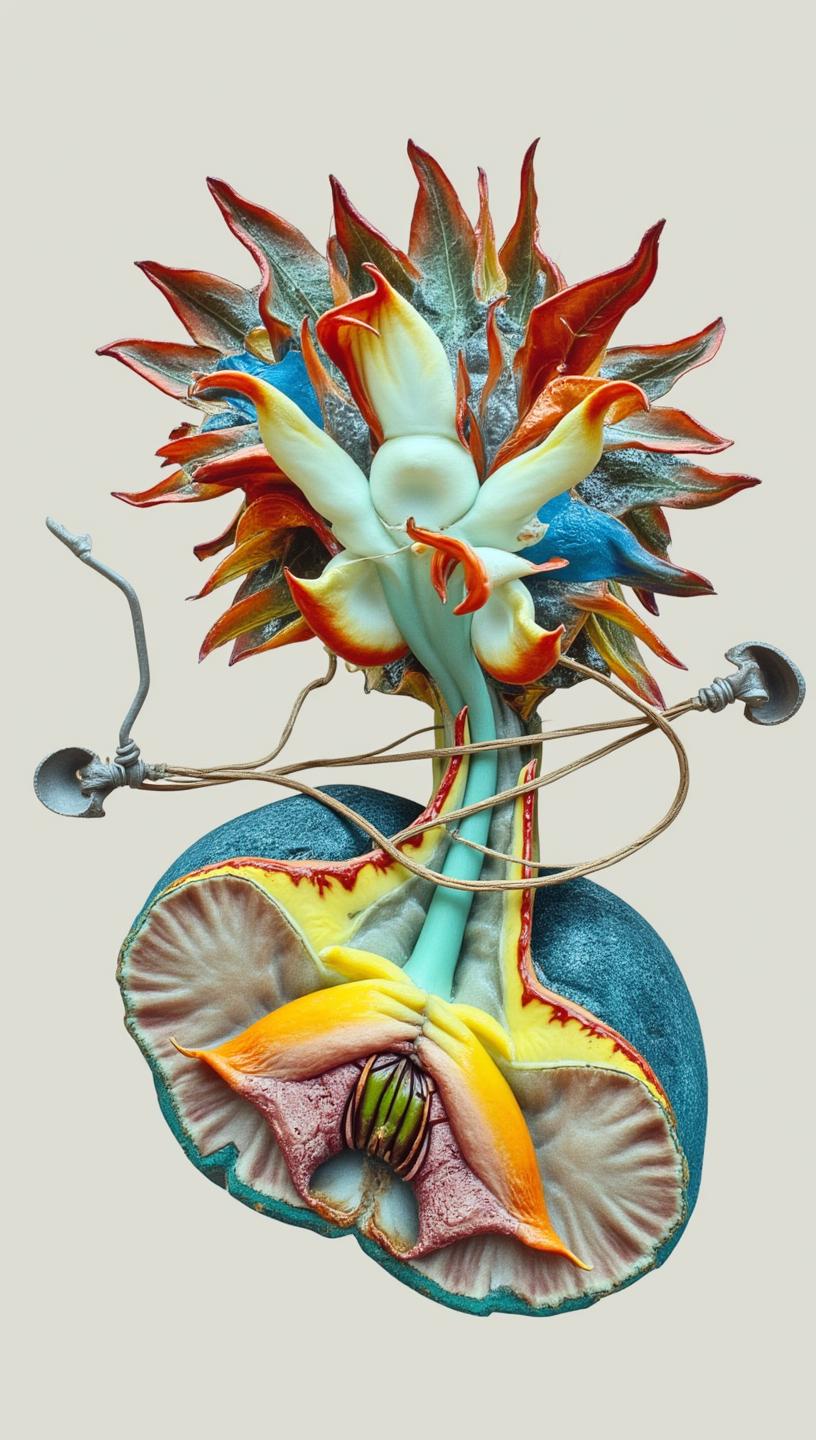
Synthetic Paradise: floral assemblages that dream tropical abundance through industrial sleep. Each bloom a perfect fever, more vivid than memory, more durable than longing.
Constant imagined New Babylon as a space for homo ludens—humans liberated from productive labor and free to engage in creative play, artistic experimentation, and erotic exploration. The inhabitants would practice a kind of nomadic dérive, wandering through vast elevated structures in pursuit of what he termed “creative activity.” The built environment would facilitate spontaneous encounters, collaborative art-making, and the construction of new situations that blurred the boundaries between life and artistic practice.
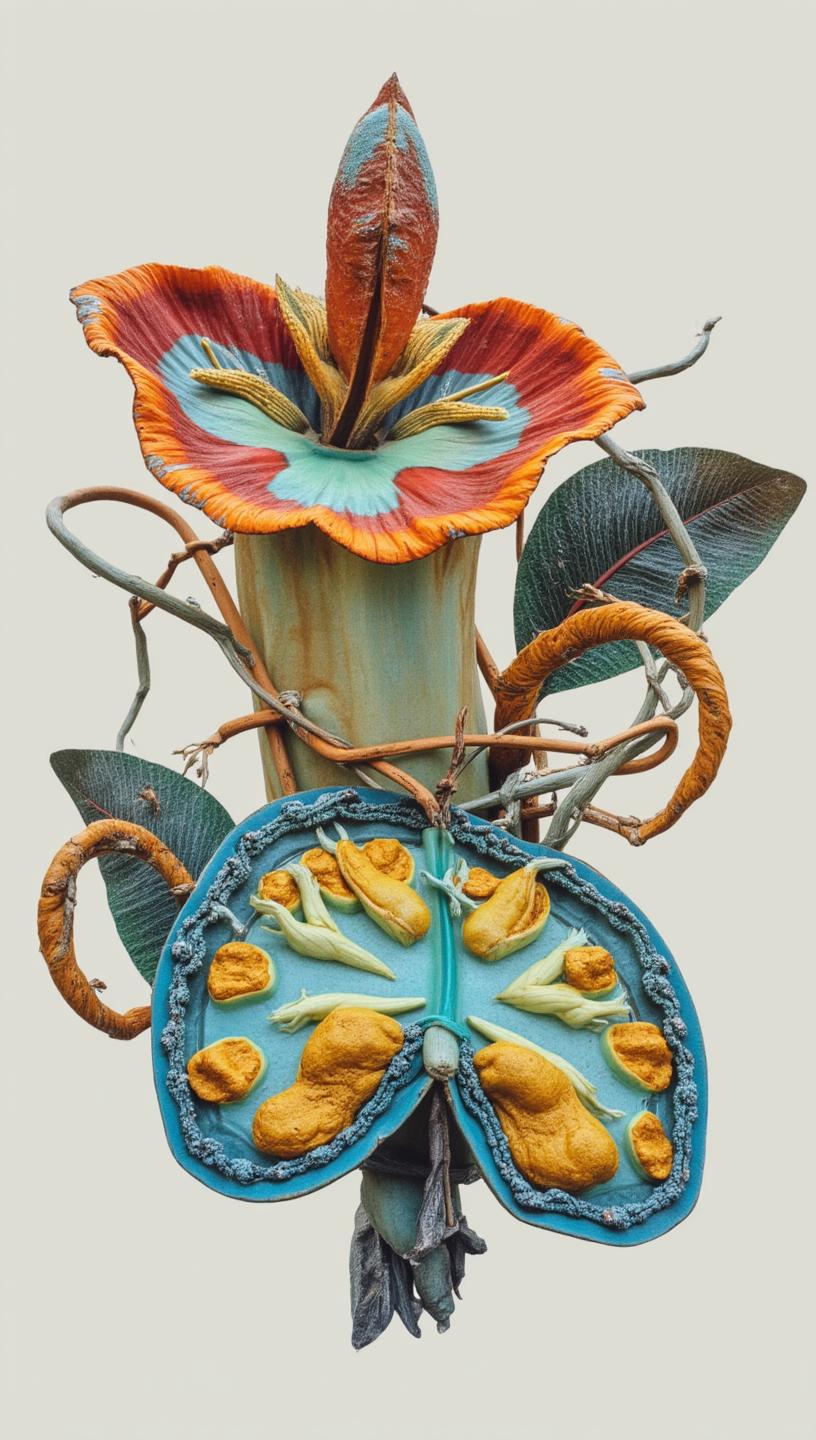
Mall Ecology: these specimens flourish where fluorescence is sunlight, where circulation is weather. Nature as cathedral, condensation as prayer.
Contemporary Kuala Lumpur presents the architectural shell of this vision emptied of its liberatory content. The elevated networks connect not spaces of creative possibility but nodes of consumption. The climate-controlled environments house not workshops for collaborative creation but temples to retail therapy. The nomadic wandering that Constant envisioned has been replaced by the zombified circulation of shoppers moving through predetermined paths of commercial encounter.
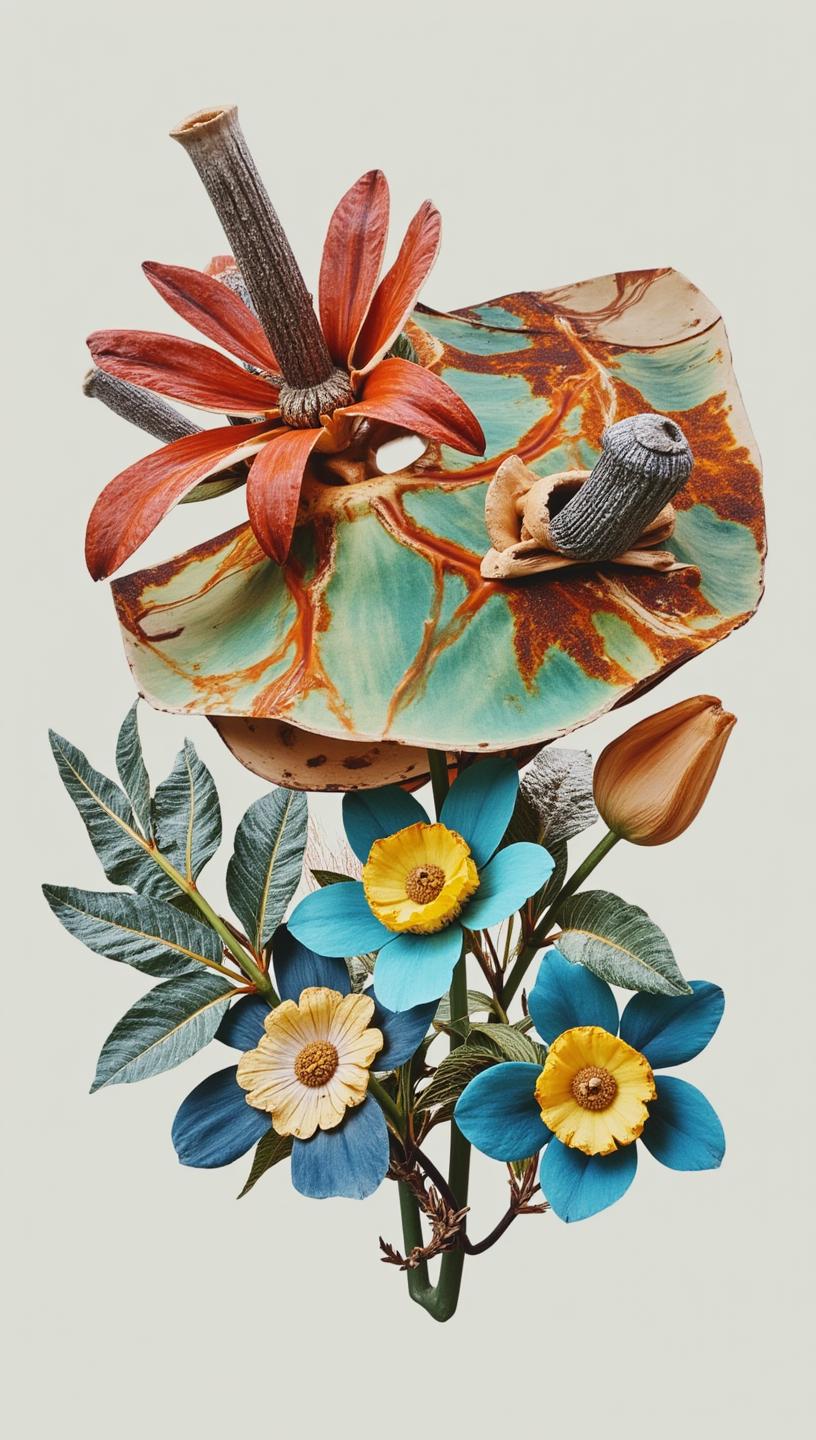
Botanical Automation: flowers engineered for eternal noon, immune to seasons, strangers to soil. The perfect ornament where shopping is time.
This inversion operates through what might be termed “architectural false consciousness”—built environments that simulate the forms of freedom while delivering systems of control. The mall presents itself as a public space while remaining fundamentally private, as a site of leisure while operating as a machine for capital extraction, as a space of choice while offering only the choice between competing commodities.
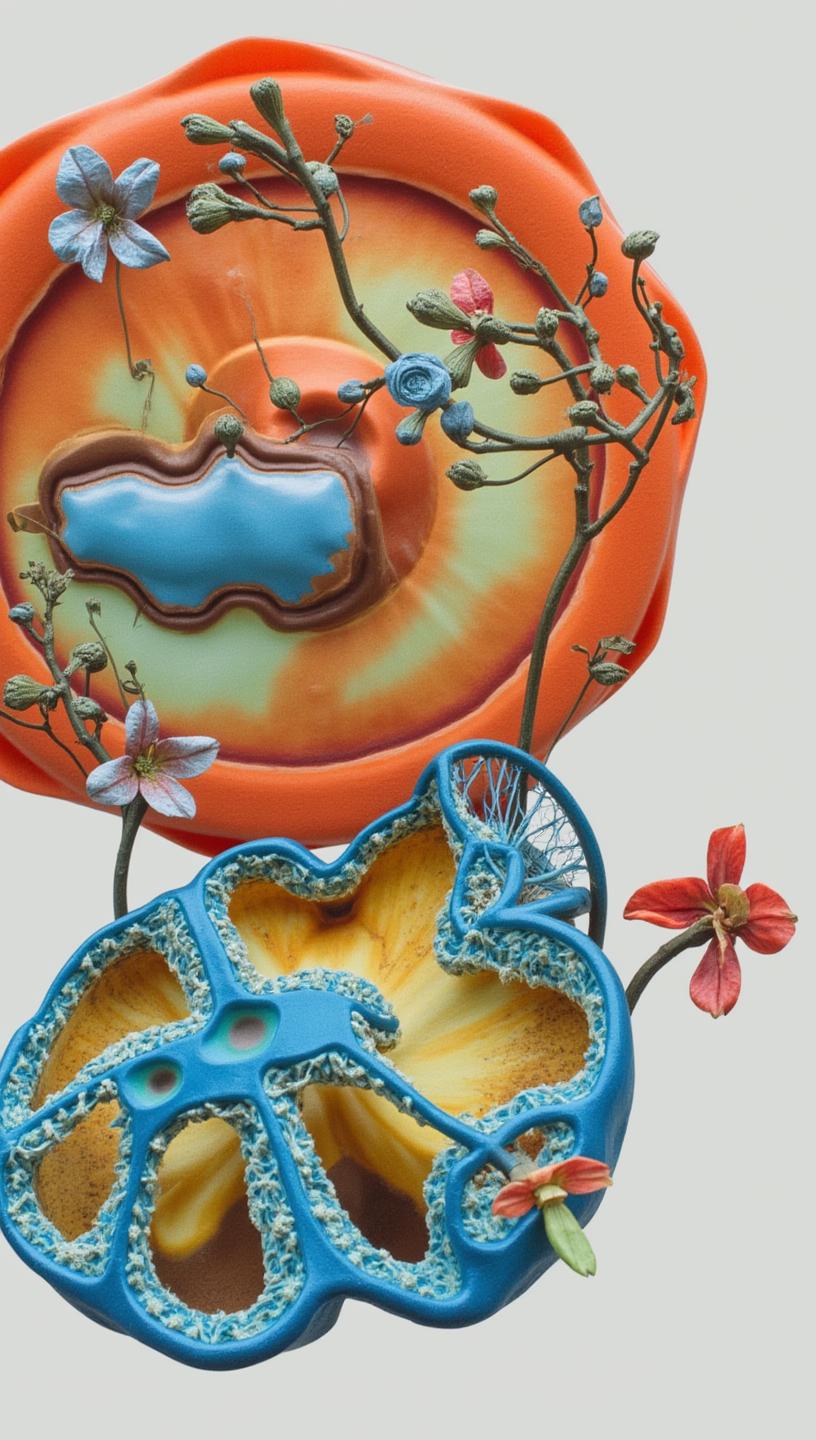
Plasticity Studies: synthetic materials performing botanical theater. Each piece a love song between petroleum and paradise.
The contrast with traditional markets illuminates what has been lost. The bazaar was genuinely public, chaotic, unpredictable—a space where commerce coexisted with genuine social encounter. The enclosed mall simulates this social energy while containing and channeling it entirely toward profit. Where Constant’s New Babylon promised the dissolution of boundaries between art and life, the contemporary mall presents a carefully curated theater of desire where authentic experience is systematically displaced by its commodified simulation.
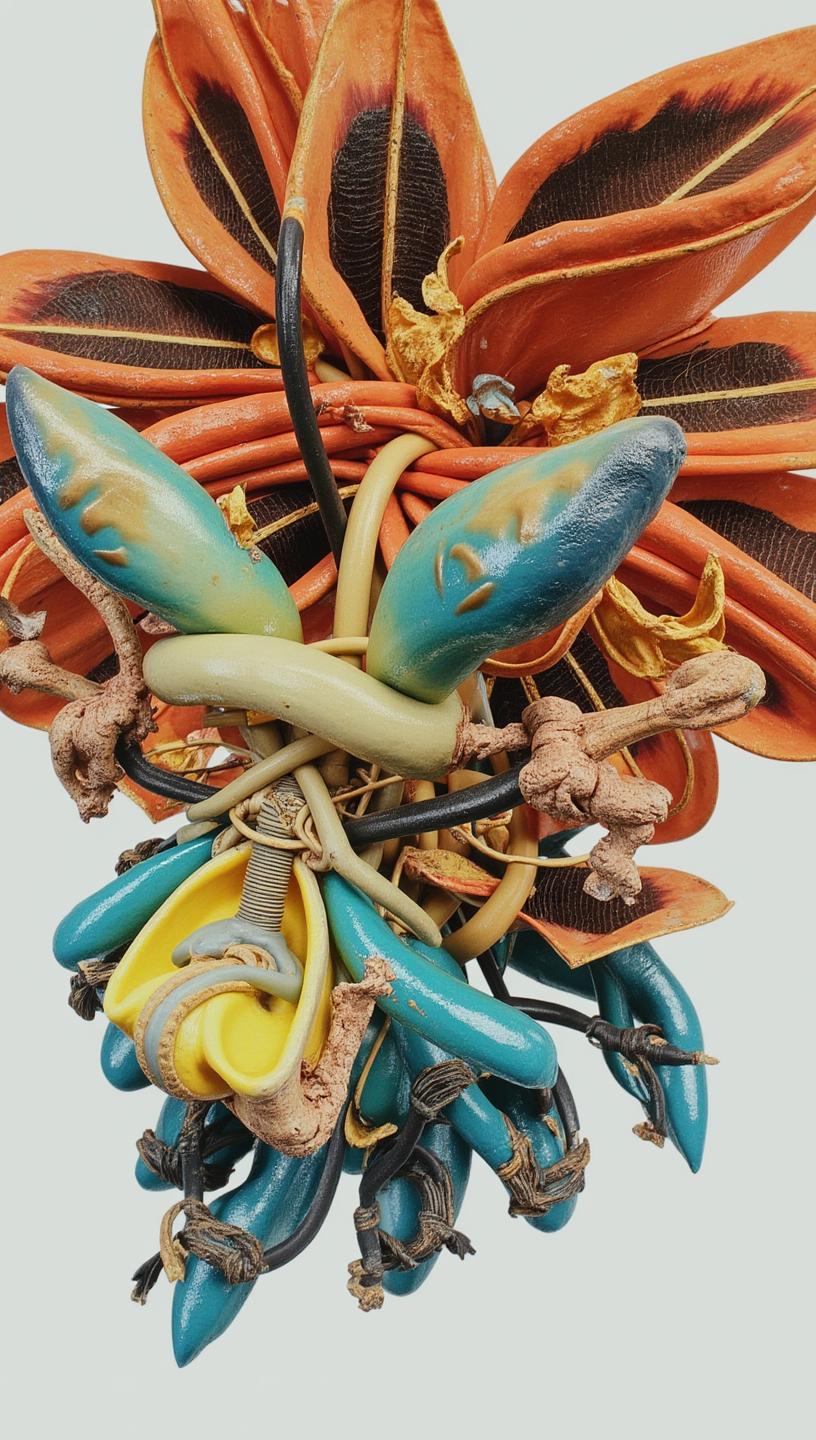
Hyperfloral: more tropical than paradise, more natural than Eden. These assemblages whisper of journeys taken by credit card, memories purchased by the hour.
The question remains whether spaces of genuine liberation persist within these systems of control. Perhaps private life becomes the last refuge from commercial mediation—though even there, the logic of consumption penetrates through digital networks and lifestyle branding. Or perhaps new forms of creative resistance emerge within these very spaces of control, practicing minor forms of dérive within the major key of consumer capitalism.
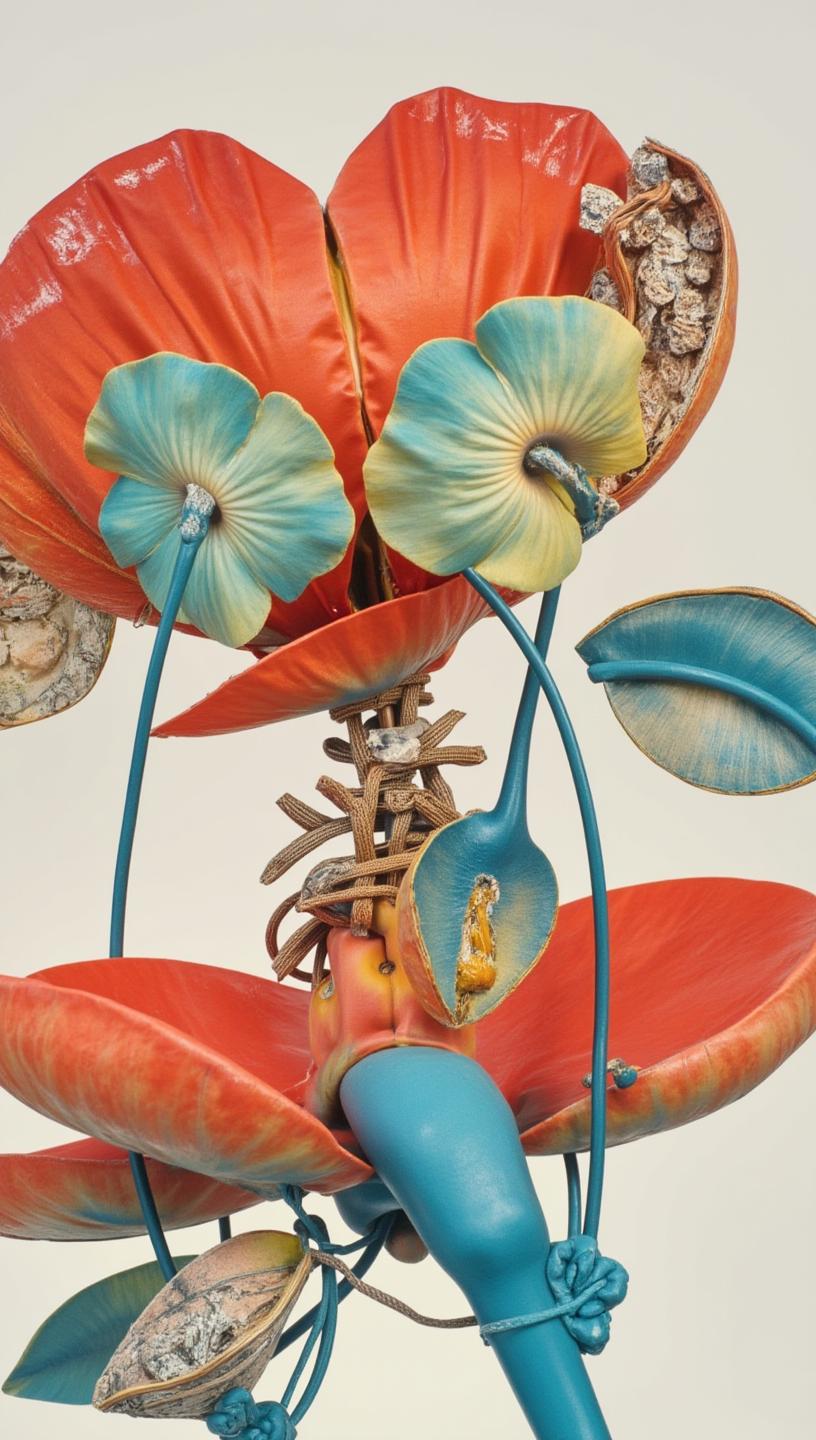
Communion Objects: totems for the ritual of strangers sharing air-conditioned silence. Where proximity is the only sacrament.
What Kuala Lumpur reveals is not simply the failure of utopian architecture, but the way that forms designed for liberation can be captured and redirected toward domination. The built environment promises connection while delivering isolation, stimulation while providing pacification. In this sense, the contemporary mall functions as New Babylon’s dystopian twin—identical in form, opposite in function, a monument to the distance between architectural possibility and social reality.